Elena Otto · 8 September 2026
Resource Allocation in Nascent Digital Platform Ecosystems: Patterns and Pressures
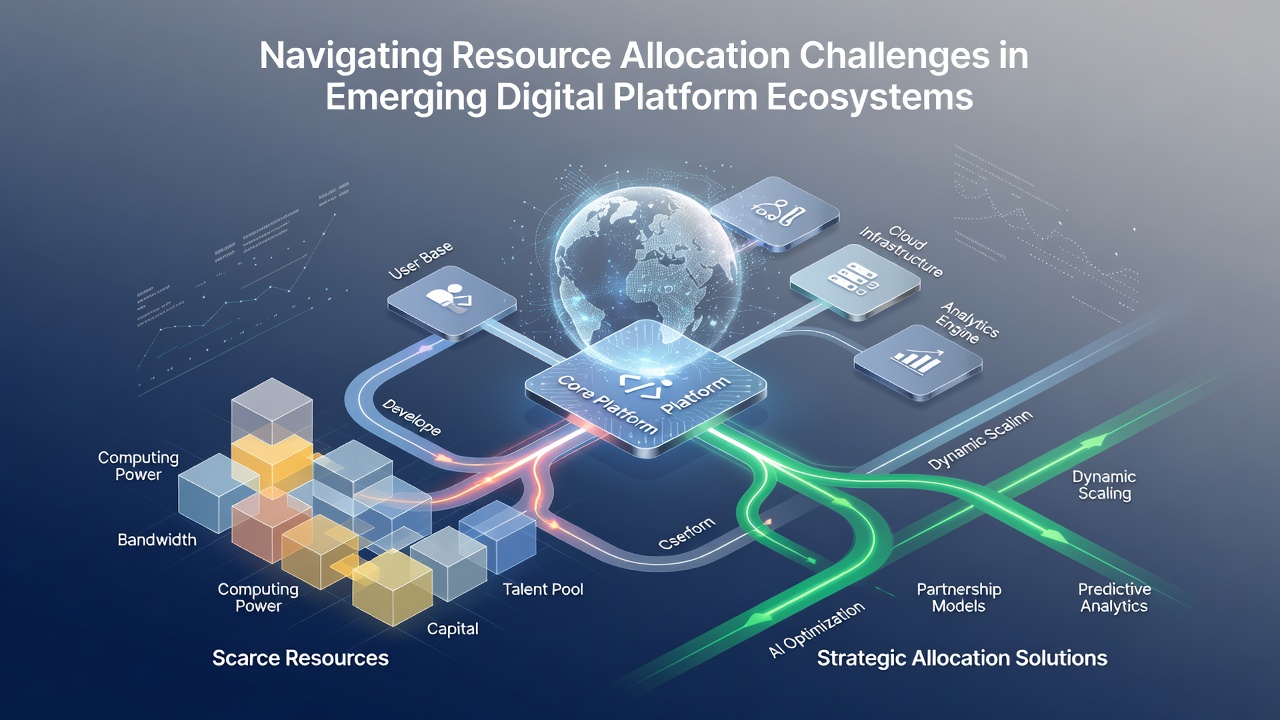
Emerging digital platform ecosystems require careful distribution of capital, talent, and technical infrastructure because new entrants often operate with constrained budgets while scaling user bases rapidly, and data from industry reports shows that early-stage platforms allocate roughly 40 percent of initial funding toward core development and server capacity. Observers note that competition for skilled engineers has intensified since 2023, forcing founders to prioritize cloud credits over marketing campaigns in many cases.
Core Components of Resource Allocation
Platform operators divide resources across several interconnected areas including compute power, data storage, developer tools, and regulatory compliance teams, while research indicates that misallocation in any single category can cascade into service disruptions or user attrition. Those who have examined multiple startups find that successful ecosystems often adopt modular architectures early, allowing incremental scaling without full system overhauls.
Funding rounds typically determine the pace of expansion, yet venture capital inflows fluctuate with macroeconomic signals, and figures from 2025 reveal that seed-stage digital platforms received an average of 2.8 million dollars per deal in North America compared with 1.9 million in European markets. This disparity influences hiring timelines and feature rollout schedules across regions.
Common Allocation Pressures
Startups in these ecosystems face simultaneous demands for security upgrades, API integrations with legacy systems, and localized content moderation, while pressure mounts when user growth outpaces backend capacity. Experts have observed that talent shortages in specialized areas such as machine learning operations lead companies to outsource certain functions, which in turn consumes additional budget lines originally earmarked for product innovation.
Regulatory requirements add another layer because new digital markets legislation in the European Union mandates transparency reporting that smaller platforms must satisfy with dedicated compliance staff, and similar rules are under consideration in Canada and Australia. Companies that delay these investments risk fines or restricted market access, shifting priorities away from growth initiatives.
Strategic Responses Observed in Practice
Many platform builders now employ dynamic budgeting models that adjust quarterly based on usage metrics rather than fixed annual plans, and one study revealed that teams using such approaches reduced idle server costs by 22 percent over 18 months. Partnerships with established cloud providers also allow deferred payment structures that preserve cash flow during critical growth phases.
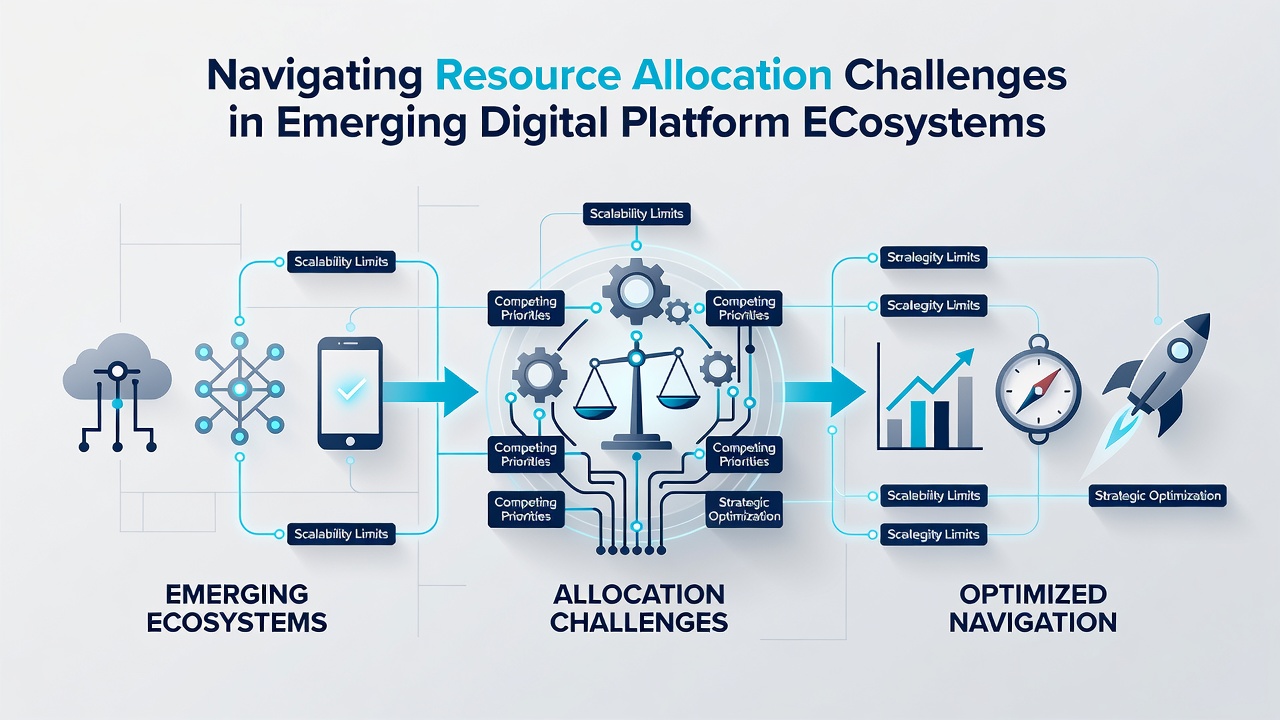
Cross-training existing employees serves as another tactic because it avoids the premium costs of external hires while building internal resilience, yet this method requires upfront time investment that can slow feature delivery. Data shows that platforms adopting hybrid work policies have expanded their talent pools to include remote specialists from multiple time zones, easing some geographic constraints on recruitment.
Regional Variations and Data Trends
Allocation patterns differ by geography because infrastructure costs in Southeast Asia remain lower than in Western Europe, allowing platforms headquartered in Singapore to stretch compute budgets further according to OECD digital economy assessments. In contrast, North American operators often direct larger shares toward legal and policy teams amid evolving antitrust scrutiny from the Federal Trade Commission.
Projections for September 2026 suggest continued emphasis on sustainable resource models as energy prices for data centers stabilize following recent renewable investments, and reports indicate that platforms incorporating carbon accounting into their planning processes attract more institutional backing. These trends appear across both consumer-facing and enterprise digital ecosystems.
Academic analyses from multiple universities highlight that platforms achieving balanced allocation across technical debt reduction and new capability development maintain higher retention rates over three-year periods, although the exact mechanisms vary by sector and user demographics.
Conclusion
Resource allocation in emerging digital platform ecosystems continues to evolve alongside technological and regulatory shifts, with evidence pointing to adaptive budgeting, strategic partnerships, and geographic cost considerations as recurring factors in sustained operations. Companies that monitor usage data closely and adjust staffing and infrastructure commitments accordingly position themselves for longer-term viability across diverse markets.